
You have your estimate, you have picked your material, and your installation date is on the calendar. Now what? The work you do before the crew arrives makes a real difference in how smoothly your fence installation goes. Legacy Fence Company installs fences across Austin and Central Texas, and the projects that go fastest and cleanest are the ones where the homeowner prepared the site in advance.
Here is exactly what to do before your fence installation, why each step matters, and what to expect on installation day.
Clear the Fence Line

The single most important thing you can do before installation day is clear the fence line. Remove furniture, planters, garden beds, toys, storage bins, firewood stacks, and any other items within three to four feet on both sides of the planned fence path. The crew needs room to dig post holes, carry materials, and move along the fence line without climbing over obstacles.
If you have raised garden beds, landscape borders, or decorative rock along the fence path, these may need to be temporarily relocated. Discuss this with your contractor during the estimate so there are no surprises on installation day. Anything left in the path slows the crew down and may need to be moved before work can begin, which pushes back the timeline.
If you are replacing an existing fence, the crew handles removal. But clearing personal items away from the old fence before they arrive saves time. The crew can start tear-down immediately instead of waiting for you to move things.
Mark Sprinklers, Lighting, and Utilities
Mark any sprinkler heads, drip irrigation lines, and landscape lighting within a few feet of the fence line. Use small flags, stakes, or spray paint so the crew can see them before digging. A broken sprinkler head is a minor inconvenience. A severed irrigation main line is a bigger problem that delays the project and costs money to repair.
For underground utilities like gas, water, electric, and communication lines, your contractor should coordinate with Texas 811 before digging. This is required by Texas law. The 811 service sends locators to mark utility lines with color-coded paint or flags at no cost. Your contractor handles this step, but it needs to happen before the installation date, not the day of. Make sure this has been scheduled.
If you have an irrigation system map from your landscaper, share it with the contractor during the estimate visit. This helps the crew plan post locations to avoid hitting buried lines.
Confirm Your Property Line
A fence built on the wrong side of the property line can result in a forced removal, a neighbor dispute, or both. If you have a property survey from when you purchased your home, share it with the contractor. The survey shows the exact boundaries and any easements that affect where the fence can be placed.
If you do not have a survey and are unsure where the boundary is, consider getting one before installation. Surveys cost money, but they cost far less than tearing down a fence and rebuilding it because it encroached on a neighbor’s property. In subdivisions across Cedar Park, Round Rock, and Pflugerville, lot lines can be surprisingly close to where homeowners assume they are.
It is also a good idea to let your neighbors know about the project. A quick conversation about the fence location, height, and material can prevent conflicts after the fence is up. Some HOAs require neighbor notification before installation. Check your community guidelines.
Check HOA Rules and Permits Before Installation Day
If your neighborhood has an HOA, confirm that your fence design has been approved before the crew arrives. HOA approval can take one to four weeks depending on the community and how frequently the architectural review committee meets. Do not schedule installation until you have written approval in hand.
Most standard residential fences in Austin do not require a City permit. However, fences over six feet along the public right-of-way, fences in floodplains, and pool barriers may require permits. Your contractor should have addressed this during the estimate. If permits are needed, confirm they have been filed and approved before installation day.
Starting installation without HOA approval or required permits can result in fines, forced modifications, or removal. It is not worth the risk. Get the paperwork done first.
Prepare Pets, Children, and Vehicles
Keep pets inside the house or in a separate enclosed area during installation. The fence line will be open throughout the project, which creates escape routes for dogs and cats. Post holes and construction debris also create safety hazards for animals. Do not assume you can contain your pets in the yard while the crew is working. Plan ahead.
Keep children away from the work area. Power tools, sharp materials, and open post holes are all hazards. The safest approach is to keep kids inside during active construction.
Move vehicles away from the work zone. The crew needs space to stage materials and access the fence line. If your driveway is near the fence path, park on the street for the day. If the crew is building a driveway gate, the driveway itself becomes part of the work zone.
If You Are Replacing an Old Fence
If your project includes removing an old fence before the new one goes in, there are a few additional steps. Remove anything attached to the old fence: hanging planters, string lights, mounted hose reels, and decorative items. The crew will remove the fence itself, but personal items attached to it need to come off first.
Check both sides of the old fence for plants that have grown into the boards or posts. Vines, shrubs, and ground cover that have attached themselves to the fence can slow down removal. If you can trim these back before the crew arrives, it helps. If the vegetation is extensive, let the contractor know during the estimate so they can factor in the extra time.
If the old fence shares a post with a neighbor’s fence, discuss this with the contractor during the estimate. Shared posts require coordination to avoid damaging the adjacent fence during removal. This is common in older Austin neighborhoods where fences were built with shared posts along property lines.
What to Expect on Installation Day
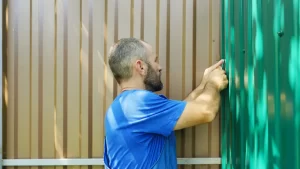
The crew arrives at the scheduled time with materials, tools, and equipment. They walk the fence line to confirm the layout, check for any last-minute obstacles, and begin digging post holes. Posts are set in concrete first. Depending on the project, the crew may allow the concrete to begin curing before installing rails and boards on the same day or the following morning.
Expect noise from augers, saws, and nail guns. The work area will have lumber, packaging, and concrete bags staged nearby. The crew cleans up at the end of each work day and does a full cleanup when the project is complete.
At the end of the project, the crew walks the finished fence with you to confirm everything meets your expectations. Gates are tested for operation and latching. Any questions or adjustments are addressed on the spot before the crew leaves.
If you are staining a new wood fence, wait four to eight weeks after installation before applying stain. New wood needs time to dry and acclimate so the stain absorbs evenly. Staining too early traps moisture inside the wood, which causes peeling and uneven color. Your contractor should advise you on the recommended wait time based on your wood type and the current season.