
Gate Installation and Services in Austin, TX
Every fence needs a gate, and every gate needs to be built right. A poorly installed gate sags within a year, drags across concrete, and eventually stops closing altogether. The posts shift in Austin’s clay soil, the hinges fail under the weight, and the latch stops lining up. What started as a convenience becomes a daily frustration.
Legacy Fence Company handles all gate services for residential and commercial properties across Austin and Central Texas. We install new gates, repair sagging and damaged gates, replace gates that are past saving, and stain wood gates to protect them from the Texas climate. We build in wood, cedar, ornamental iron, aluminum, vinyl, composite, and chain link. Every gate is hung on oversized posts set deep in concrete, with hardware rated for the gate’s weight and daily use.
Fully licensed and insured. On-site estimates. Call (512) 233-0756.
Request Free Estimate
Gate Installation in Austin
Walk Gates
Three to four feet wide for pedestrian access to backyards, side yards, and pool areas. Built to match your fence height, material, and style. Installed with spring-loaded or gravity-assisted hinges for smooth operation and secure latching.
Double Drive Gates
Two panels that swing open from the center for vehicle access. Ten to sixteen feet wide. Used for driveways, side yard equipment access, and commercial entries. Require reinforced posts, heavy-duty hinges, and drop rods to secure the inactive panel.
Sliding Gates
Roll along a track parallel to the fence line. Best for properties where a swinging gate does not have room to open. Common on driveways with short setbacks, sloped approaches, or tight spaces.
Custom-Width Gates
Built wider than standard to accommodate RVs, boats, trailers, or commercial vehicles. Require reinforced framing, anti-sag hardware, and heavier post foundations.
Gate Repair in Austin
Gates take more physical stress than any other part of a fence. They are opened and closed daily, slammed by wind, leaned on, and subjected to constant lateral force on their posts. When a gate fails, it is usually one of a few common problems.
Sagging and dragging. The gate drops on the latch side and drags across the ground. Caused by post lean, hinge failure, or undersized hardware. We reset posts, upgrade hinges, and add anti-sag bracing to correct the problem.
Latch misalignment. The latch no longer lines up with the strike plate because the gate or post has shifted. We realign the gate, adjust the latch position, or replace the hardware.
Rotted posts and boards. Wood gate posts rot at ground level where moisture collects. We replace rotted posts with new ones set in concrete and swap damaged boards to match the existing fence.
Bent or broken hardware. Hinges, latches, and brackets wear out over time, especially on heavy gates. We replace hardware with commercial-grade components rated for the gate’s weight.
Gate Replacement in Austin
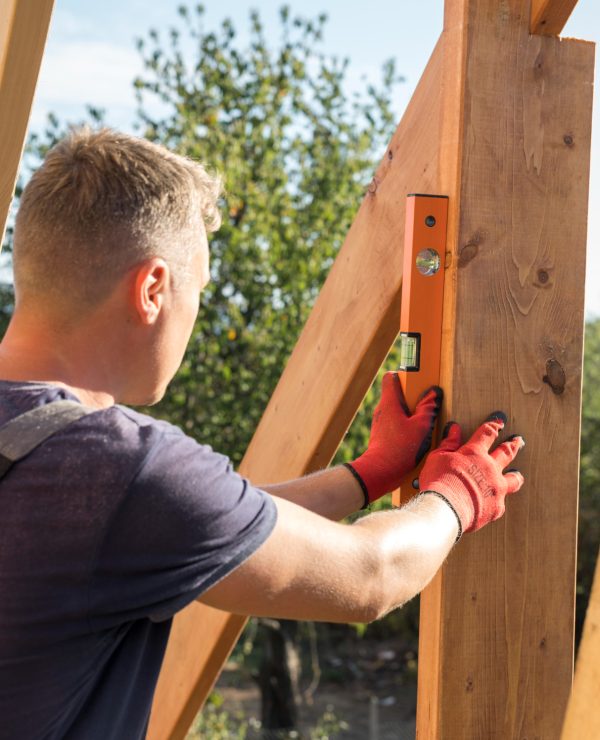
Sometimes a gate is past the point of repair. The frame is warped, the posts have rotted through, or the gate has been patched so many times that another fix will not hold. In those cases, replacement is the smarter investment.
Our replacement service includes full removal of the old gate, posts, and hardware. We extract old concrete, set new oversized posts, and install a new gate matched to your fence material and style. If you want to upgrade from a wood frame gate to a metal frame gate, or switch materials entirely, replacement is the opportunity to do it.
Gate Staining in Austin
Wood gates need staining on the same schedule as your fence: every two to three years in Central Texas. Gates often need it sooner because they get more direct handling and physical contact than fence panels.
We stain gates as a standalone service or as part of a full fence staining project. We clean, prep, and apply contractor-grade stain for even coverage and deep penetration. Matching the gate stain to the fence stain is critical for consistent curb appeal.
Wood Frame Gates vs Metal Frame Gates
Wood Frame Gates
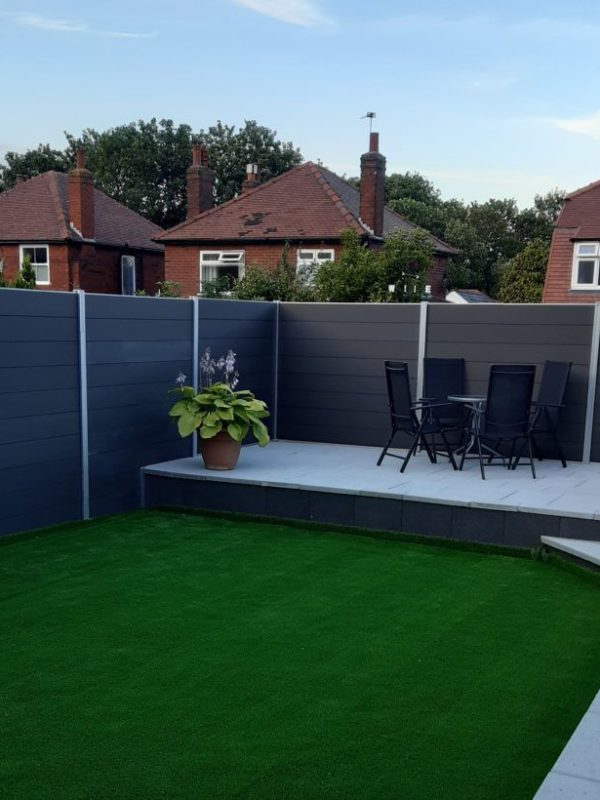
The frame, cross-bracing, and infill boards are all wood. Most common for residential privacy fences. Affordable, easy to build, and straightforward to match to an existing wood fence. Wood frame gates work well for walk gates under four feet wide. For wider gates, wood frames are prone to sagging over time because wood flexes under its own weight.
Metal Frame Gates
A welded steel or aluminum frame with wood, composite, or iron infill. The metal frame provides structural rigidity that prevents the sagging and warping that affects all-wood gates. Metal frame gates are the better choice for drive gates, heavy gates, and any gate wider than four feet. The frame is hidden behind the infill, so the gate looks the same as the fence from the outside.
For walk gates on residential privacy fences, either frame type works. For double drive gates, wide gates, or gates that will see heavy daily use, we recommend metal frames every time.
Why Gate Posts Matter More in Austin
Gate failure almost always starts with the posts. Standard four-by-four fence posts are not strong enough for gate duty. The repeated stress of opening and closing puts constant lateral force on the posts. In Austin’s clay soil, posts that are not set deep enough will lean within one to two seasons.
We use six-by-six posts for walk gates and eight-inch steel or six-by-six treated posts for drive gates. Every gate post is set a minimum of three feet deep in concrete. For double drive gates, we add diagonal bracing and anti-sag hardware.
Pool Gate Requirements in Austin
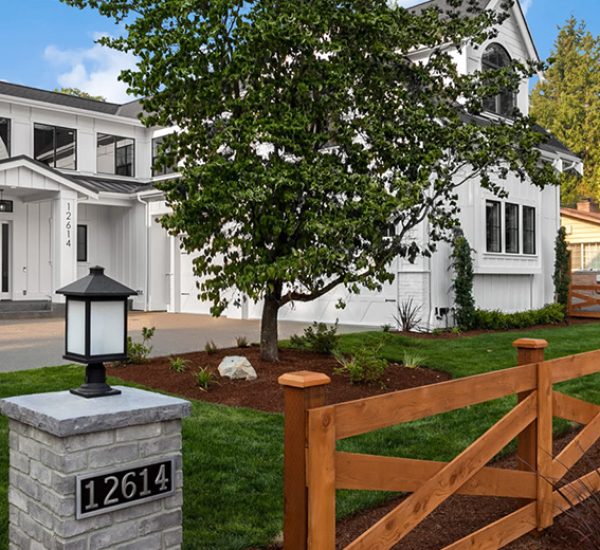
Every gate providing access to a residential pool area must be self-closing and self-latching. The latch must be at least fifty-four inches from the ground or on the pool side of the gate. Gates must open away from the pool. We install compliant hardware on every pool gate, whether it is part of a new pool fence or an upgrade to an existing barrier.
Related Fence Services
Gates are part of every fence system. We handle the full scope of fencing services across Austin:

Why Austin Homeowners Trust Us for Gate Work
Gates are the most used and most abused part of any fence. They take more stress than any other component and they fail faster when installed incorrectly. We build gates the way they should be built: oversized posts, deep concrete footings, heavy-duty hardware, and materials matched to your fence. We handle installation, repair, replacement, and staining on every gate type and material. Our crews are in-house and experienced with wood frame, metal frame, walk gates, drive gates, and pool-compliant gate hardware. Every project starts with a written estimate and ends with a walkthrough. Fully licensed and insured for all fencing and gate services across Central Texas.
Gate Service Areas
We install, repair, replace, and stain gates across the greater Austin area:
Get a Gate That Works Every Time You Use It
Whether you need a new gate installed, an old gate fixed, or a failing gate replaced, call us at (512) 233-0756 or request an estimate online.
Wood Fence Installation FAQ
What types of gates do you install?
Single walk gates, double drive gates, sliding gates, and custom-width gates. We build gates in wood, cedar, ornamental iron, aluminum, vinyl, composite, and chain link to match your existing fence or as part of a new fence installation.
How much does gate installation cost in Austin?
Costs depend on gate type, material, width, and hardware. Single walk gates are the most affordable. Double drive gates and custom-width gates cost more due to additional framing and hardware. We provide on-site estimates with a full breakdown.
Can you install a gate on my existing fence?
Yes. We cut the opening, set oversized gate posts with deep concrete footings, and hang the gate with hardware matched to your fence material and style. We match wood species, board profile, stain color, and spacing for a seamless result.
What is the difference between a walk gate and a drive gate?
Walk gates are three to four feet wide for pedestrian access. Drive gates are ten to sixteen feet wide for vehicles. Drive gates can be single swing, double swing, or sliding depending on space and layout.
Do you repair gates?
Yes. Sagging, dragging, misaligned latches, broken hinges, shifted posts, rotted boards, and bent frames. Gate repair is one of our most common service calls. We fix all gate types and materials.
What causes gates to sag?
Undersized posts, shallow footings, inadequate hardware, and gate weight that exceeds hinge capacity. Austin’s clay soil accelerates the problem by shifting posts out of alignment. We fix sagging gates by resetting posts, upgrading hardware, and adding anti-sag reinforcement.
Can you fix a gate that drags on the ground?
Yes. Dragging is usually caused by post lean, hinge failure, or ground heave. We diagnose the root cause and fix it. Sometimes the fix is resetting the post. Sometimes it requires new hinges or adjusting the gate height.
When should I replace a gate instead of repairing it?
Replace when the frame is warped beyond correction, when the posts have rotted at the base, when the gate has been repaired multiple times and keeps failing, or when you want to upgrade materials. We assess and give an honest recommendation.
Do you remove the old gate during replacement?
Yes. Full removal of the old gate, posts, and hardware is included. We extract old concrete, set new posts, and install the replacement gate with new hardware. The site is cleaned before we leave.
Do you stain gates?
Yes. We stain gates as a standalone service or as part of a full fence staining project. Matching the gate stain to the fence stain is important for a consistent appearance. We prep, clean, and apply contractor-grade stain.
How often should I restain my gate?
Every two to three years in Central Texas. Gates get more direct handling than fence panels, which wears the stain faster. High-traffic gates may need restaining closer to every two years.
What is a wood frame gate?
A gate built entirely from wood. The frame, cross-bracing, and infill boards are all wood. Most common for residential privacy fences. Affordable and easy to match to an existing wood fence.
What is a metal frame gate?
A gate with a welded steel or aluminum frame and wood, composite, or iron infill panels. The metal frame provides structural rigidity that prevents sagging. Best for wider gates, drive gates, and heavy daily use.
Which is better, wood frame or metal frame?
Wood frame gates are lighter and more affordable. Metal frame gates are stronger and resist sagging better over time. For walk gates under four feet wide, wood frames perform well. For drive gates, heavy gates, or gates wider than four feet, we recommend metal frames.
Do pool gates need special hardware?
Yes. Austin code requires pool gates to be self-closing and self-latching. The latch must be at least fifty-four inches from the ground or on the pool side. Gates must open away from the pool. We install compliant hardware on every pool gate.