
At Legacy Fence Company, fence replacement is the service we get called about most often when a homeowner has reached the end of their patience with an aging fence. The signs are usually accumulating: multiple posts leaning, boards falling off, rails sagging, and repairs that are starting to feel like a losing battle. Knowing where the line is between a fence worth repairing and a fence worth replacing saves money and ends the cycle of patchwork fixes.
Across Austin TX fence replacement projects we handle, the most common driver is post failure from clay soil movement combined with cedar that has aged past its natural service life. Austin’s expansive clay and UV exposure take a specific toll on older fences, and understanding what that looks like helps homeowners make the right call on timing.
This guide covers how to recognize the signs that replacement is the right move, what the process involves, and what material options to consider when replacing.
Signs It Is Time to Replace Rather Than Repair
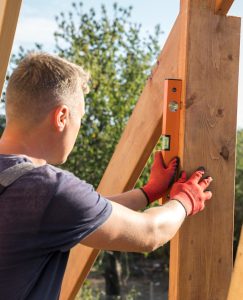
The clearest indicator that replacement makes more sense than repair is post failure at multiple locations. A single leaning post is a repair. Two or three leaning posts spread across the fence line signal that the foundation of the fence is compromised across its length, often from years of clay soil movement against posts that were set at insufficient depth. Resetting individual posts in isolation on a fence of that age rarely produces a lasting result because the same conditions that caused the first failures are still acting on every other post.
Widespread board deterioration and rail decay are also replacement indicators, particularly on cedar fences in Austin that are fifteen years or older without consistent staining maintenance. Cedar that has dried out, cracked, and grayed from UV exposure without staining protection is often too far degraded to hold fasteners properly for a standard repair. Replacing boards on a fence with compromised rails and posts produces a fence that looks repaired but is not structurally sound.
Our guide on fence repair vs replacement covers the decision framework in detail, including a practical rule of thumb for when repair cost as a percentage of replacement cost tips the decision toward replacement. Our guide on how to fix a leaning fence in Austin clay soil also explains what correctly set posts look like and what shallow-set posts look like after clay movement, which helps homeowners assess their own fence before calling for an estimate.
Material Choices When Replacing a Fence in Austin
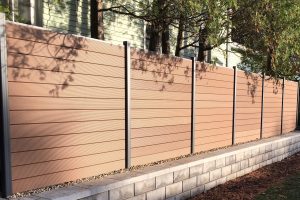
Fence replacement is a natural opportunity to reconsider material. If your cedar fence required more maintenance than you wanted and you are replacing it now, vinyl or composite are worth evaluating. Vinyl requires almost no maintenance and holds up well in Austin’s climate. Composite offers a natural wood appearance with similar low-maintenance characteristics. Both cost more upfront than cedar but reduce long-term maintenance demands significantly.
If your cedar fence performed well and you simply need a new one because the current one has aged out, replacing like-for-like with cedar is a perfectly sound choice. The key is replacing it with better post installation than the original, which means proper depth for Austin clay and thorough concrete encapsulation. A correctly installed cedar fence in Austin lasts fifteen years or more with appropriate staining maintenance.
Our fence installation service covers all material options for replacement projects. We walk through the options during the estimate visit and give you a clear comparison of material costs, expected longevity, and maintenance requirements so the replacement decision is well-informed.
What the Fence Replacement Process Looks Like
Fence replacement starts with old fence removal. The existing fence is torn out, posts are pulled or cut, and all material is loaded and hauled away. Post removal is often the most labor-intensive part of the process, particularly when old cedar posts were set in concrete that has been in the ground for years. We handle full removal and disposal as part of every replacement project.
Once the old fence is removed and the line is clear, new post locations are planned and set. In Austin clay soil, posts go in at the depth required to resist seasonal movement. Concrete is poured around each post and allowed to cure before rails and boards are installed. On most residential replacement projects, this process takes one to two days depending on the total fence length.
If your property is in an HOA-governed community, HOA approval is required before replacement work begins even if the new fence matches the old one exactly. We check HOA requirements during the estimate and handle the application process so the approval step does not delay the installation schedule.
How to Plan the Timing of Fence Replacement in Austin
Austin’s fence installation season runs from late winter through fall, with spring and early fall being the most popular windows. Replacing a fence during Austin’s storm season, which peaks in spring, requires accounting for the possibility of weather delays. Scheduling replacement during a drier period reduces that risk. Our guide on when to install a fence in Austin covers the seasonal considerations in more detail.
If you are in an HOA community, plan for the HOA application and approval timeline in addition to the installation time. Some Austin HOAs meet monthly, which means a submission that misses a meeting date can add four weeks to the project timeline. Starting the approval process early is the most effective way to prevent it from becoming a scheduling constraint.
Request a free fence replacement estimate and we will assess the current fence condition, confirm whether replacement is the right call, walk through material options, and give you a timeline and price for the full project.