
How much does a fence cost in Austin? It depends on several factors that vary from property to property. Material, linear footage, height, terrain, gates, removal, permits, and seasonal demand all affect the final number. Legacy Fence Company provides on-site fence estimates across Austin and Central Texas with transparent, line-by-line pricing so you know exactly what you are paying for and why.
We do not publish fixed per-foot pricing because every Austin property is different. A flat lot in Pflugerville with easy access and clay soil is a fundamentally different project than a sloped lot in Lakeway with limestone at shallow depth. But we can walk you through the factors that determine cost so you can plan and budget realistically before requesting your estimate.
Fence Cost by Material in Austin
Here is the general cost hierarchy from least to most expensive. Keep in mind that these are relative rankings, not fixed prices. Your actual cost depends on the variables listed in the sections that follow.
Pine (Pressure-Treated)
The most affordable wood option. Pine fences have the lowest upfront cost of any wood material, which makes them attractive for homeowners on tight budgets. However, pine has a higher lifetime cost than cedar because it needs staining sooner after installation, needs restaining more frequently, and has a shorter overall lifespan in Austin’s climate. Pine fences typically last ten to fifteen years with diligent maintenance. Without regular staining, pine deteriorates noticeably faster than cedar.
Cedar
The most popular fencing material in Austin and the one we install most often. Cedar costs more upfront than pine but delivers better value over time. It naturally resists rot, insects, and moisture. It lasts fifteen to twenty years with staining every two to three years. Cedar is the standard material in most Austin HOA neighborhoods and the material most homeowners choose when they want the best balance of appearance, durability, and cost.
Chain Link
The most affordable fencing overall when measured by cost per linear foot. Chain link works well for property perimeters, pet enclosures, construction sites, and commercial security. Standard galvanized is the cheapest option. Vinyl-coated chain link in green, black, or brown costs slightly more but looks cleaner. Privacy slats can be added for screening at additional cost.
Vinyl
Vinyl falls between cedar and composite in cost. It requires zero maintenance, which eliminates ongoing staining expenses. Commercial-grade UV-rated vinyl costs more than standard retail vinyl but lasts significantly longer in Austin’s sun. The upfront premium for quality vinyl panels is worth it for longevity. Vinyl is especially cost-effective for pool fences and front yard applications.
Composite
Composite has a higher upfront cost than wood. The trade-off is zero maintenance over a lifespan of twenty-five years or more. No staining, no sealing, no board replacement. When you calculate the total cost of a cedar fence over fifteen years including five to seven rounds of staining plus occasional board replacement, composite often comes out cheaper. This lifecycle cost comparison is why composite is the fastest-growing segment in our market.
Aluminum
Mid-range pricing among fence materials. Aluminum is most commonly used for pool fences and decorative front yard fencing. It is rust-free and requires virtually no maintenance. The panels are pre-fabricated which keeps installation costs predictable.
Ornamental Iron
The highest-cost fencing material. Iron is used for estate properties, driveway gates, commercial security, and decorative applications where strength and visual impact are priorities. Ornamental iron is most common in Westlake Hills, Lakeway, and Bee Cave where property values and design expectations are highest.
Other Factors That Affect Fence Cost in Austin
Terrain and Soil
Flat lots in Pflugerville, Round Rock, and eastern Cedar Park are the least expensive to fence because the terrain is level and the soil accepts standard auger equipment. Sloped lots cost more because stepping or racking panels uses more material and more labor per section. Properties in Lakeway, Bee Cave, and Westlake Hills often sit on limestone that requires specialized drilling equipment to set posts. Each post takes longer to install in rock, which adds labor cost.
Fence Height
Taller fences use more material per linear foot. A six-foot privacy fence costs more than a four-foot picket fence for the same perimeter. Most residential privacy fences in Austin are six feet. Taller fences may also require permits depending on location and proximity to public right-of-way.
Gates
Walk gates are the most affordable gate addition. Double drive gates for driveways cost more because the opening is wider, the posts must be larger and deeper, and the hardware must be heavier duty. Custom-width gates for RVs, boats, or trailers require reinforced framing and heavy-duty anti-sag hardware. Pool gates with code-compliant self-closing hardware cost more than standard walk gates because of the specialized latching and hinge requirements.
Old Fence Removal
If you are replacing an existing fence, removal adds cost. Post extraction, concrete breaking, haul-away, and site cleanup should all be itemized separately in your estimate. The cost of removal depends on the existing fence material, length, and how deeply the posts were originally set. A fence with posts set in concrete takes more labor to remove than one without.
Permits
Standard residential fences under seven feet typically do not require a permit in Austin. Fences in floodplains, along public right-of-way, or over six feet may require permits with associated fees. Pool barriers must meet code requirements that may trigger permit requirements. We advise on permitting during your estimate visit.
The Hidden Cost: Staining Over the Life of the Fence
A wood fence’s true cost includes staining every two to three years for the entire life of the fence. Over fifteen years, a cedar fence may need five to seven rounds of professional staining. Each round of staining carries a cost for cleaning, prep, and application. Over the full life of the fence, accumulated staining costs can approach or exceed the cost difference between cedar and composite at the time of installation.
This is the primary reason composite has become so popular in Austin. Composite eliminates staining entirely, which closes the lifetime cost gap with cedar. For homeowners who plan to stay in their home long-term, composite often delivers the lowest total cost of ownership despite its higher upfront price.
How to Get the Best Value on Your Fence
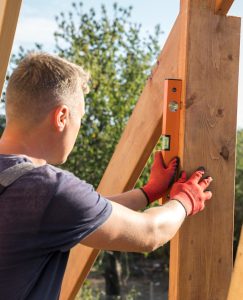
The cheapest fence is not always the best value, and the most expensive fence is not always necessary. Value means getting the right material, installed correctly, at a price that makes sense for how long you plan to keep the fence and how much maintenance you are willing to do.
If you plan to sell your home in the next two to three years, a fresh cedar fence with a new stain coat gives you the best return on investment. It looks premium, photographs well for listings, and buyers in Austin recognize and appreciate cedar. Spending more on composite does not add proportionally more to your sale price in most neighborhoods.
If you plan to stay in your home long-term, composite or high-quality vinyl often deliver the lowest total cost because they eliminate fifteen to twenty years of staining expense. The math shifts in favor of higher-upfront-cost materials the longer you plan to keep the fence.
Regardless of material, do not cut cost on post depth or concrete. These are the foundation of the fence. A premium material on shallow posts in Austin clay will fail within a few years. The most cost-effective fence in Austin is one built with proper post depth, adequate concrete, and a material that matches your actual maintenance commitment.