
At Legacy Fence Company, aluminum fence installation comes up most often in two contexts in Austin: pool enclosures and front yard or property perimeter applications where the homeowner wants something that looks more refined than chain link and more durable than wood without the rust maintenance that wrought iron requires. Aluminum is not the right fit for every Austin property, but when it is, it delivers a combination of appearance, durability, and low maintenance that is hard to match.
For Austin TX properties suited for aluminum fencing, the decision usually combines three factors: a need for a defined perimeter with a professional appearance, a low-maintenance requirement, and an application where visibility through the fence is acceptable or preferred. Pool enclosures and front yard fences both meet all three criteria, which is why aluminum dominates those applications in Austin.
Here is what to know about aluminum fencing in Austin, including where it fits, how it performs in this climate, and what the installation process involves.
What Aluminum Fencing Is and How It Differs from Other Materials
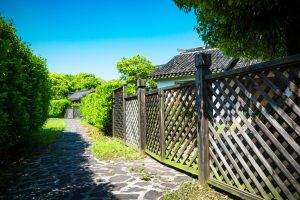
Ornamental aluminum fencing is made from aluminum alloy that is powder coated for UV and weather protection. It is available in a range of styles from simple flat-top panels to decorative spear-top designs, and in standard heights from three feet for decorative borders to six feet or taller for perimeter security. The powder coat finish is applied electrostatically and baked on, producing a finish that is significantly more durable than painted metal and that does not rust in Austin’s humidity.
The comparison most often made is between aluminum and wrought iron. They have a similar ornamental appearance, but aluminum is lighter, less expensive, and requires less maintenance. Wrought iron is stronger and heavier, making it appropriate for higher-security applications, but it requires recoating to prevent rust over time in humid environments. For the vast majority of Austin residential applications where ornamental fencing is appropriate, aluminum delivers the necessary performance at a lower cost and maintenance burden than iron.
Aluminum is also different from vinyl and cedar. Vinyl is a privacy fence material that provides full coverage. Cedar is the dominant backyard privacy fence material in Austin. Aluminum is an open-picket fence that defines a perimeter without blocking visibility. These are different applications, and aluminum should not be evaluated against cedar or vinyl as a direct substitute. Our guide on what type of fence is best for Texas weather covers the full range of materials and their appropriate applications in Austin’s climate.
Where Aluminum Fencing Makes the Most Sense in Austin
Pool enclosures are the clearest application for aluminum fencing in Austin. Aluminum satisfies Austin’s pool fence height requirements, the picket spacing meets the child access requirements of the code, the powder coat finish handles the moisture-rich pool environment without rust, and the ornamental appearance fits the aesthetic of most Austin pool areas better than chain link. Our pool fence installation service installs aluminum pool fencing throughout Austin with code-compliant gate hardware and self-closing gate mechanisms.
Front yard and property perimeter fencing is the second major application for aluminum in Austin. Many Austin homeowners want to define the front of their property with a fence that looks intentional and professional without blocking street views or creating a fortress appearance. The ornamental aluminum picket styles available in Austin work well for this application. Some Austin HOAs require ornamental fencing in front yard applications specifically, which makes aluminum a specified material for those properties.
Commercial properties where a professional perimeter appearance is required alongside meaningful security are another strong aluminum application. Office parks, retail properties, and institutional facilities throughout Austin use ornamental aluminum for the combination of appearance and access control it provides. Our guide on fence types available for Austin properties covers how aluminum fits into the broader range of commercial fence options.
How Aluminum Fencing Performs in Austin’s Climate
Austin’s climate is demanding for fence materials. Intense UV, high summer temperatures, occasional freeze events, and alternating wet and dry seasons all stress materials over time. Aluminum handles Austin’s climate exceptionally well. The alloy does not warp or crack in heat. It does not absorb moisture or rot. The powder coat finish is UV-stable and does not fade or chalk in Austin’s sun the way painted surfaces do. Aluminum fence panels do not need staining, sealing, painting, or any recurring maintenance beyond periodic cleaning.
The main maintenance consideration for aluminum in Austin is keeping the post bases clear of soil accumulation that could hold moisture against the metal over time. An annual check of post bases and tightening of any hardware that has worked loose covers most of the maintenance needed on a well-installed aluminum fence. Gate hinges and latches benefit from annual lubrication to maintain smooth operation.
Quality matters significantly in aluminum fencing. Lower-quality aluminum fencing uses thinner alloy with less robust powder coat application and thinner picket profiles. In Austin’s UV environment, thinner powder coat is more likely to develop micro-cracking over time. Specifying the material grade when getting estimates helps ensure the fence that is installed is the one that will hold up for the long term.
What the Aluminum Fence Installation Process Looks Like in Austin
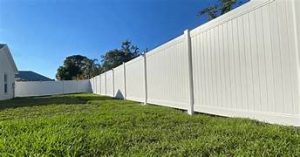
Aluminum fence installation follows the same fundamental process as wood or vinyl in terms of post installation. Posts are set in the ground, anchored in concrete, and allowed to cure before fence panels are attached. In Austin clay soil, proper post depth is the same requirement for aluminum as for any other fence material. The clay movement that causes wood posts to lean will affect aluminum posts set at insufficient depth the same way.
Aluminum fence panels arrive pre-fabricated in standard widths. The installation process involves attaching the panels to the posts using rail brackets, adjusting the panel level and alignment, and securing all connections. Gate installation for aluminum follows the same process with specific attention to hinge and latch hardware sizing for the gate weight and expected usage. Automated gate operators can be paired with aluminum gates for driveway applications where keypad or remote access is desired.
Request a free aluminum fence estimate and we will walk your property, assess the application and site conditions, review your HOA requirements, and provide a written quote for the configuration that fits your property.