
At Legacy Fence Company, automated gate installations have grown significantly as a service in Austin. The technology options have expanded, the costs have come down relative to earlier years, and more Austin homeowners are finding that the combination of security and convenience is worth the investment. Understanding the decision points before you get into the installation process helps you specify the right system and avoid choosing one that does not fit your property or usage pattern.
For Austin TX homeowners exploring automated gate options, the key decisions are gate type, operator system, and access control method. Each of these affects both the upfront cost and the long-term maintenance requirements of the system. Making the right choices upfront prevents costly changes after installation.
Here is a guide through each decision point.
Swing vs Slide: The First Automated Gate Decision
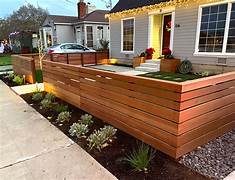
The gate type decision comes before any other specification because it determines what operator system is appropriate. Swing gates open on hinges like a door. They require clearance in the direction of the swing, typically the length of the gate panel plus some margin. Single-swing automated gates open as one panel. Double-swing gates open as two panels, each swinging in an opposite direction. Swing gates are the most common configuration in Austin residential applications because most driveways have adequate clearance.
Sliding gates move horizontally along the fence line on a track rather than swinging. They work on driveways where swing clearance is limited, such as driveways that rise steeply immediately inside the gate or properties where a swinging gate would extend into public right-of-way. Sliding gates require a level ground track and horizontal fence space on one side of the opening to accommodate the gate panel when open. They are common in commercial applications in Austin and used residentially when the driveway layout makes swing gates impractical.
The clearance assessment is best done during a site visit rather than estimated remotely. Subtle grade changes near the gate opening and the specific driveway width and layout details affect which gate type is workable. Our gate installation service always starts with a site assessment before any gate type recommendation is made.
Operator Systems: Solar, Hardwired, and Battery
The gate operator is the mechanical component that automates the gate movement. Swing gate operators attach to the gate panel and fence post and extend or retract to push the gate open and pull it closed. Slide gate operators drive a gear along the gate rail to move the gate horizontally. The operator power source determines the installation complexity and the system reliability profile.
Solar-powered operators are well-suited to Austin because of the city’s high solar availability. A solar panel mounted near the gate charges a battery that powers the operator. This eliminates the need to run electrical conduit from the property’s main panel to the gate location, which reduces installation cost and avoids trenching through a driveway or landscaped area. For most Austin residential applications, solar is a practical and cost-effective choice. The main consideration is battery health over time and performance during extended overcast periods.
Hardwired operators connect to the property’s main electrical panel via conduit. They are more reliable in extended overcast conditions and do not depend on battery health for consistent performance. The tradeoff is installation cost for the electrical run and conduit work. For commercial applications or residential properties where the gate cycles frequently throughout the day, hardwired operation may be the more reliable long-term choice. Our guide on how much a fence costs in Austin provides context for where automated gate costs sit relative to other fence and gate investments.
Access Control Options for Austin Automated Gates
Access control determines how the gate is opened by authorized users. The most common Austin residential configuration is a keypad mounted on a post near the gate entry side, paired with wireless remotes for regular users. The keypad handles guest or delivery access. The remotes handle daily driver use. This combination covers most residential access scenarios efficiently and is the most common configuration we install.
Telephone entry intercom systems add a communication layer to keypad access. A visitor presses a call button, the intercom rings a phone number, and the property owner can speak to the visitor and open the gate remotely if appropriate. This is useful for properties where unscheduled visitors are common and remote entry management is desirable. Bluetooth phone app access is a newer option that uses the property owner’s smartphone as the access device without a separate remote.
Card or fob access systems log each entry event and allow individual access credentials to be added or revoked without changing a keypad code. This is standard in commercial applications and increasingly used in residential settings where multiple parties need access and accountability matters. Our commercial fence installation service covers automated gate systems for commercial applications where access logging and higher cycle rates are requirements.
Austin-Specific Considerations for Automated Gate Systems
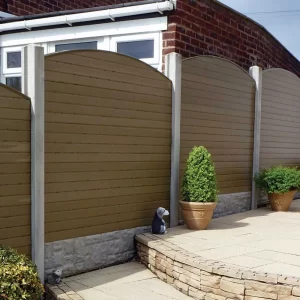
Austin’s clay soil and storm season create two specific considerations for automated gate installations that do not apply in all markets. Clay soil affects gate post requirements significantly. Automated gates cycle repeatedly and are heavier than manual gates, which puts more cumulative load on gate posts than a standard fence post experiences. Gate posts for automated systems need to be set deeper and with more concrete than standard fence posts to maintain alignment over time. A gate post that shifts in Austin clay will cause the automated gate to fall out of alignment, which produces gate drag, operator strain, and eventual system failure.
Storm season power outages are a recurring reality in Austin, and an automated gate that cannot be operated during an outage becomes a significant inconvenience or a security issue depending on whether it fails open or closed. Every automated gate operator should have a manual release mechanism that allows hand operation during a power outage. Solar systems should have battery backup sized for the typical outage duration in Austin, which can sometimes extend to multiple days after major storm events. We discuss power outage scenarios with every automated gate client to ensure the specified system handles Austin’s storm season appropriately.
Our guide on fence permits in Austin covers when automated gate electrical work requires permits in Austin. We check permit requirements for every automated gate project and handle the application when required.
Request a free automated gate estimate and we will assess your specific driveway layout, discuss operator and access control options, and provide a written quote for the system that fits your property and usage requirements.