
At Legacy Fence Company, one of the things we repeat most often to Austin homeowners is that fence installation in this city is not one-size-fits-all. The soil under your yard, the trees on your lot, the terrain your fence line runs across, the HOA or overlay rules that govern your neighborhood, and the materials that fit the character of where you live all vary meaningfully depending on which part of every Austin TX neighborhood we serve your property is in. Understanding those differences helps homeowners approach fence projects with realistic expectations and make better choices about materials, contractors, and timing.
This guide covers the key variables that shape fence installation across Austin’s major residential areas. It is not an exhaustive technical document, but a practical city-wide overview of what makes each part of Austin distinctive from a fence installation perspective.
Here is how fence conditions differ across Austin, neighborhood by neighborhood.
North and Northeast Austin: Clay Soil, Newer HOAs, and Aging Cedar
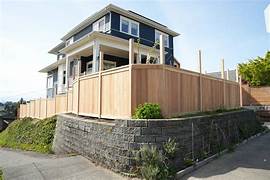
North Austin is the largest geographic section of Austin’s residential landscape and one of the most varied in terms of housing age. The established neighborhoods close to US 183, including Wells Branch, Rundberg, Gracywoods, Georgian Acres, and North Loop, have housing stock from the 1970s through the 1990s and cedar fences that are now aging into or past their replacement window. Multiple post failures, widespread board deterioration, and the combined effects of Austin clay soil and years of UV exposure are common in this housing stock.
Moving further north toward the Parmer Lane corridor, the housing transitions to 2000s and 2010s construction in communities like Tech Ridge, Scofield Farms, and the subdivisions near the Domain. These newer communities have active HOAs with detailed fence guidelines and significant numbers of first-time installations on lots that came from the builder without fencing. The terrain across most of North Austin is relatively flat, which simplifies installation compared to hilly South or West Austin. The soil is consistent expansive clay, with the same post depth and concrete requirements that apply throughout Austin.
East Austin and Central East Austin share the clay soil conditions and the grid street pattern with rear alleys that creates frequent alley gate requirements. East Austin’s defining fence installation characteristic is the rapid style shift from traditional board-on-board cedar on original housing stock to horizontal cedar on infill and renovated properties. Central East Austin shares this pattern with less established tree canopy, meaning more direct UV exposure on cedar fence lines than in the shaded blocks of Cherrywood or Hyde Park.
Central Austin: Mature Trees, Older Homes, and Historic Overlays
Central Austin’s established neighborhoods, from Hyde Park and Allandale through Rosedale and Brentwood, represent the most tree-dense residential fence installation environment in the city outside of West Austin. Mature live oaks, Spanish oaks, cedar elms, and pecans produce root systems that frequently intersect planned fence post locations. Managing root conflicts is a standard part of every Central Austin estimate visit, and post placement sometimes needs to be adjusted around significant root systems.
The housing stock in Central Austin dates from the 1920s through the 1960s in most of these neighborhoods, and the existing fence installations on these properties reflect that age. Replacement projects dominate the work in Central Austin’s established areas. The older lot conditions, irregular property lines from the original subdivision plats, and the presence of historic overlay zones in Hyde Park and Old Enfield add layers to Central Austin fence projects that do not exist in newer suburban neighborhoods. Our fence installation service covers Central Austin across all these property conditions.
South Austin’s fence installation character is defined by terrain more than any other factor. The slopes of Barton Hills, the grade changes in Travis Heights and Bouldin Creek, and the Barton Creek Greenbelt setback requirements near the waterway create fence installation conditions that require stepped or racked construction and careful attention to setback compliance. South Austin is also where the contemporary style shift toward horizontal cedar is most pronounced in the established residential fabric, driven by the renovation activity that has brought contemporary design elements to many original bungalows.
West Austin: Large Lots, Live Oaks, and Limestone
West Austin is consistently the most complex residential fence installation environment in Austin. Large lots in Tarrytown, Rollingwood, Lost Creek, and Rob Roy produce long fence lines with numerous site variables across their full length. The live oak canopy that defines these neighborhoods comes with root systems that spread well beyond the visible tree canopy, intersecting fence post locations regularly. The substrate transitions from expansive black clay in the eastern portions of West Austin to caliche and limestone in the western sections near the 360 corridor, which changes the post installation approach when bedrock is encountered before the target depth is reached.
The HOA governance in West Austin communities varies from the informal neighborhood associations of Tarrytown and Clarksville to the formal HOA structures of Lost Creek and Rob Roy and the independent municipal codes of Rollingwood and Westlake Hills. Each property needs its specific governance framework confirmed before fence design and materials are selected. The high property values throughout West Austin create correspondingly higher expectations for installation quality, board grade, and finished appearance.
Our guide on what type of fence is best for Texas weather covers material performance across Austin’s climate and is useful context for homeowners in any Austin neighborhood who are comparing fence material options.
Downtown, Southeast Austin, and the Regulatory Landscape
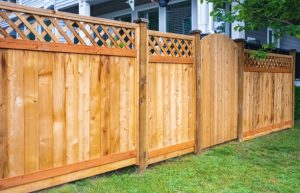
Downtown Austin fence work is almost entirely commercial in character. Parking perimeters, construction site containment, dumpster enclosures, and commercial frontage fencing define the downtown fence market. Historic overlay requirements in the Sixth Street and Congress Avenue corridors affect commercial fence installations in those zones. Site access in tight downtown lots and the coordination requirements of active commercial environments make downtown fence work more complex than suburban residential projects.
Southeast Austin presents a specific combination of flood zone considerations along the Onion Creek corridor, active HOA governance in the planned communities that dominate much of this area, and storm exposure that makes fence repair a frequent service category. The flat terrain of most of Southeast Austin simplifies installation from a grading standpoint, but the flood zone restrictions near Onion Creek can limit solid privacy fence options for affected properties. Vinyl fencing is more prevalent in Southeast Austin than in older Austin neighborhoods because the HOA communities that govern much of this area were established when vinyl was already an accepted alternative to cedar.
Across all of Austin, the factor that matters most for fence longevity regardless of neighborhood is post installation quality. Proper post depth and concrete work for Austin clay soil determines how well a fence holds up against the seasonal movement that affects post stability everywhere in the city. Everything else, material choice, style selection, staining maintenance, is secondary to getting the foundation right. Our guide on fence permits in Austin covers when permits are required across Austin’s different zones and jurisdictions. Request a free estimate and a local crew will assess your specific Austin property and give you a complete picture of what your project involves.