
At Legacy Fence Company, gate installation is one of the most varied services we provide. A simple walk-through gate for backyard access is a different project from a double-swing driveway gate wide enough for vehicles, which is different again from an automated sliding gate with keypad access for a commercial property. Knowing what type of gate fits your situation before you talk to a contractor saves time and produces better outcomes.
For Austin TX homeowners and property managers adding gates, the decision typically starts with a goal: backyard access, vehicle access through a fenced perimeter, or controlled entry for security. The gate type, material, hardware, and post requirements that serve each goal differ significantly, and choosing the wrong configuration creates problems that are expensive to fix after the fact.
Here is a guide to the gate types available in Austin, what each involves, and what affects cost.
Gate Types Available in Austin
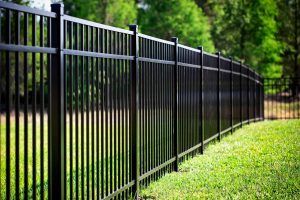
Walk-through pedestrian gates are the most commonly installed gate type on Austin residential properties. They are sized for a single person to pass through, typically in the three to four foot width range, and swing open on hinges. They are used as backyard access points, side-yard gates, and as secondary access points on properties where the main driveway gate is separate. Walk-through gates are the most affordable gate type because of their smaller scale and simpler hardware requirements.
Single-swing driveway gates cover a single vehicle width opening and swing open in one direction. They require clearance in the direction of the swing, which affects whether they work on a given driveway layout. Double-swing driveway gates split the opening in half, with two panels swinging open in opposite directions. They require less clearance per panel than a single gate covering the same total width and are used when the driveway layout does not allow a single gate to swing fully open.
Sliding or rolling gates move horizontally along the fence line rather than swinging outward. They work well on driveways where swing clearance is limited. They require a level track along the fence line and more horizontal fence space on one side of the opening to accommodate the gate when it is in the open position. Sliding gates are common in commercial applications and increasingly used in residential settings where the driveway geometry prevents a swing gate from working properly.
Gate Post Requirements in Austin Clay Soil
Gate posts are the most structurally demanding posts in any fence installation, and this is especially true in Austin clay soil. A gate post carries the lateral load of the gate weight plus the force of the gate opening and closing repeatedly. In Austin’s expansive clay, a gate post that was set at the same depth as a standard fence post will shift and lean faster than any other post in the fence line because of the additional load it carries.
Our gate installation service sets gate posts deeper and with more concrete than standard fence posts on every installation. We use appropriate post size for the gate weight and width, and we use adequate concrete encapsulation to resist clay movement. The gate hardware is then set to be level and plumb on posts that are correctly anchored. Gates that sag, drag, and fail to latch over time are almost always tracing back to gate posts that were set to standard fence post specifications rather than gate-appropriate ones.
Our guide on how to prepare your yard for fence installation in Austin covers site preparation steps that apply to gate installation as well as fence projects. Clearance on the swing side of a gate, access for the installation crew, and any underground utilities near the gate post locations are all factors to address before the installation crew arrives.
HOA Considerations for Gate Installation in Austin
Many Austin HOA communities have specific requirements for gates that go beyond the fence requirements alone. Some require gates to match the fence material and style exactly, which affects hardware selection and gate panel construction. Some communities restrict automated gate systems to specific zones or property types. A few communities require HOA review and approval before any gate installation even if the gate is replacing an existing one.
The HOA requirements for gates in Austin are worth reviewing specifically before purchasing hardware or scheduling installation. We check HOA specifications for every gate project during the estimate process. Our guide on fence permits in Austin covers the general permit framework for fence and gate work in Austin, including when permits are required for gate systems with electrical or automated components.
For properties with active HOAs, the gate approval process should be started early in the project planning because it can add several weeks to the timeline if the HOA reviews submissions on a monthly or quarterly schedule.
Cost Considerations for Gate Installation in Austin

Gate cost scales with width, material, hardware quality, and whether the gate is manual or automated. A standard walk-through cedar gate with residential-grade hardware is the most affordable configuration. A double-swing cedar driveway gate with heavy-duty hinges, a drop rod, and a lockable latch costs proportionally more because of the gate panel size, hardware weight, and post requirements. An automated gate system adds the cost of the operator, any safety features required, and the electrical or solar connection.
The post installation cost for gate posts is also higher than for standard fence posts because of the deeper setting and more concrete required per post. This is an Austin-specific factor that should appear as a visible component in any complete gate installation estimate.
Request a free gate installation estimate and we will assess the specific access point, review your HOA requirements, and provide a written quote that covers gate type, post specifications, hardware, and any permit requirements for your project.