
Getting a fence estimate should be straightforward, but many Austin homeowners end up confused by vague quotes, surprise add-on charges, and estimates that do not match the final invoice. The problem is usually not the price itself. It is the lack of detail in the estimate. Legacy Fence Company provides on-site fence estimates across Austin and Central Texas, and we believe the estimate process should give you clarity, not create more questions.
Here is what a proper fence estimate looks like, what to prepare before the appointment, how to compare quotes when you are talking to multiple contractors, and what red flags to watch for.
What Happens During an On-Site Estimate

A real fence estimate starts with a property visit, not a phone call. The contractor walks your fence line, measures total linear footage with a measuring wheel, notes terrain features like slopes, rock outcroppings, drainage paths, and tree roots, and marks gate and access point locations. You discuss your goals: privacy, security, pet containment, curb appeal, HOA compliance, or some combination of all of these.
The contractor should ask questions about your timeline, your budget range, any HOA restrictions, and whether you need an old fence removed. They should recommend materials based on your priorities and explain why one option performs better than another for your specific property and conditions.
At the end of the visit, you should receive a written estimate with a line-by-line breakdown of materials, labor, gate hardware, removal if applicable, permits, and timeline. If the contractor gives you a single number with no detail, walks the property in five minutes, or refuses to put the quote in writing, those are red flags. A professional estimate takes thirty to sixty minutes and produces a document you can review at home.
What Affects Fence Pricing in Austin
Material type is the biggest variable. Cedar costs more than pine but lasts longer and needs less maintenance. Composite costs more than cedar but requires zero upkeep over its twenty-five-year-plus lifespan. Ornamental iron costs more than all of them but serves a different aesthetic and security purpose. Vinyl falls between cedar and composite. Chain link is the most affordable option for perimeter fencing. The right material depends on your priorities, not just the upfront number.
Linear footage determines how much material and labor the project requires. A two hundred foot perimeter fence costs more than a fifty foot side yard fence, but the per-foot cost often decreases on longer runs because the crew is already mobilized on site. Fence height also matters. A six-foot privacy fence uses more material per linear foot than a four-foot picket fence for the same perimeter length.
Terrain makes a significant difference in Austin specifically. Flat clay-soil lots in Pflugerville and Round Rock are the most straightforward to fence. Sloped lots require stepping or racking, which uses more material. Properties in Lakeway, Bee Cave, and Westlake Hills often sit on limestone that requires drilling equipment to set posts. Rocky terrain adds labor time per post but does not prevent installation.
Gate count and type affect the total. A single walk gate adds less cost than a double drive gate for vehicle access. Custom-width gates for RVs or trailers require heavier framing and hardware. Pool gates need code-compliant self-closing hardware with latches at the correct height, which adds cost beyond a standard walk gate.
Removal of an old fence is a separate line item. Full tear-down, post extraction, concrete removal, haul-away, and site prep all have costs. If the estimate lumps removal into the total with no detail, ask for a breakdown. Some contractors bury removal cost to make the headline number look lower, then add it as a change order after the project starts.
How to Prepare for Your Estimate Appointment
Bring your property survey or plat map if you have one. This confirms your property boundaries and helps the contractor measure accurately. If you do not have a survey, point out the markers or boundary lines you know. The contractor should not guess where your property ends.
Know your HOA fence rules before the appointment. Many Austin HOAs restrict material, height, color, and placement. If you know the rules in advance, the contractor can recommend compliant options during the visit instead of quoting something that gets rejected later. This saves time and avoids restarting the process after an HOA denial.
Have a general idea of your budget range. You do not need an exact number, but knowing whether you are looking at a basic pine fence or a premium composite installation helps the contractor tailor the recommendation and avoid presenting options outside your range. It also saves time during the visit.
Clear the fence line if you can. Moving planters, furniture, and debris away from the planned fence path gives the contractor a clear view of the terrain and allows accurate measurements. Mark any sprinkler heads or landscape lighting near the path.
How to Compare Fence Estimates from Different Contractors
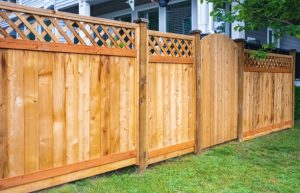
Compare detail, not just price. A lower estimate may use shallower post depth, less concrete, lower-grade hardware, or exclude cleanup and haul-away. These differences affect how long the fence lasts, which determines the true cost over the life of the fence rather than just the upfront number.
Check whether the estimate specifies post depth and concrete. In Austin’s clay soil, posts need a minimum of two to three feet of depth with concrete footings. If the estimate does not mention post depth, ask. Shallow posts in Austin clay will lean within a few seasons, and you will pay for the repair on top of what you already paid for the installation.
Ask what happens if the crew hits rock. In western Austin, Lakeway, Bee Cave, and Westlake Hills, limestone is common at shallow depth. Some contractors charge extra for rock drilling as a change order. Others include it in the estimate upfront. Know before you sign which approach the contractor uses.
Check whether cleanup and haul-away are included. A proper fence installation includes removing all construction debris, backfilling post holes, and leaving the site clean. If the estimate does not mention cleanup, ask whether it is included or whether it will be billed separately.
Ask about the warranty. What does the contractor guarantee on their workmanship? What does the material manufacturer warrant? A contractor who stands behind their work will tell you the terms upfront.
Red Flags to Watch for in Fence Estimates
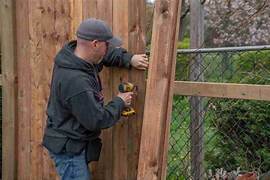
Be cautious of any estimate that arrives by email or text without a property visit. A contractor who quotes a fence without walking your property is guessing on linear footage, terrain, and access. That guess usually ends in a change order after the project starts.
Watch for estimates that show a single lump sum with no breakdown. You should see materials, labor, gate hardware, removal, and timeline listed separately. If the estimate is one number with no detail, you have no way to compare it fairly against another quote and no way to hold the contractor accountable if the scope changes.
Be wary of estimates that are significantly lower than every other quote you received. A number that is thirty or forty percent below the competition usually means something is missing: shallower posts, less concrete, lower-grade hardware, no cleanup, or no haul-away. Ask what is included before assuming the low bid is the best deal.
Finally, ask whether the contractor is licensed and insured. In Texas, fence contractors do not need a state license, but they should carry general liability insurance and workers compensation coverage. Ask for proof before signing. If something goes wrong on your property during installation, you want to know you are protected.