
At Legacy Fence Company, pool fence cost questions come with more variables than most homeowners expect. Material choice, gate configuration, pool perimeter size, and Austin-specific site conditions all affect the final number in ways that are difficult to estimate without a site visit. This guide breaks down each cost driver so you can approach the estimate process with a clear understanding of what affects the price and why.
For Austin TX homeowners with pools, the range of pool fence pricing is genuinely wide. The same perimeter can be enclosed at different price points depending on the material selected, the number and type of gates required, and what the substrate around the pool deck looks like when posts need to go in.
Here is what drives pool fence cost in Austin and how to think about each variable.
Material Choice: The Biggest Cost Driver
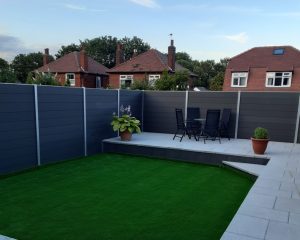
Aluminum ornamental fencing is the most commonly installed pool fence material in Austin and offers a strong combination of durability and value. It holds up well in Austin’s heat and UV conditions, requires minimal maintenance, and is available in a range of styles. Vinyl pool fencing is a slightly lower-cost alternative with similar performance characteristics. Both aluminum and vinyl are solid choices for most Austin residential pool enclosures and represent the core of the pool fence market here.
Glass panel pool fencing sits at the premium end of the price range. The material cost and installation complexity are both significantly higher than aluminum or vinyl. Glass delivers an unobstructed view of the pool and a clean contemporary appearance, but the premium over aluminum is substantial. For homeowners who want the look and are willing to invest in it, glass pool fencing is a legitimate option in Austin. For homeowners focused on compliance and function at a reasonable cost, aluminum is almost always the right answer.
Removable mesh pool fencing is the most affordable option on a per-linear-foot basis. It uses surface-mounted post anchors rather than in-ground posts, which reduces installation labor. The trade-off is that mesh pool fencing has a temporary feel and does not deliver the same aesthetic as a permanent enclosure. For homeowners who want the option to remove the fence when the pool is not in use, it is a practical choice. For homeowners who want a permanent, year-round enclosure, aluminum or vinyl is the better investment.
Gate Configuration and Hardware Costs
Every pool enclosure requires at least one gate, and pool gate hardware is more specialized and expensive than standard residential fence gate hardware. Pool gates must be self-closing and self-latching with hardware that meets code requirements for pool enclosure safety. This hardware adds meaningful cost to every pool fence project compared to a standard residential gate. The gate structure itself adds further cost depending on width and style.
Our pool fence installation service includes gate installation with compliant self-closing and self-latching hardware on every pool project. The gate count and configuration are assessed during the estimate. Most Austin residential pool enclosures use one or two walk-through gates. Wider vehicle access gates or multiple gate configurations add to the total project cost.
Our guide on how much a fence costs in Austin covers the general cost framework for fence projects in Austin that applies across all types including pool fencing. The pool fence-specific variables are the gate hardware and the code compliance requirements that do not apply to standard privacy fences.
Austin-Specific Cost Factors for Pool Fencing
Austin clay soil requires posts to be set at proper depth to prevent shifting over time. Around pool decks, however, the substrate conditions often differ from standard yard soil. Concrete pool decks, limestone substrate, or compacted fill material can be present close to the surface near post locations. These conditions require different installation approaches and can add to the installation cost. We assess substrate conditions during the estimate to identify any post locations that will require additional work.
HOA requirements can also affect pool fence cost in Austin. Some communities specify the material, color, style, or height of pool enclosures. If your HOA requires a specific material or style that differs from the standard option, the material cost may be higher. We review HOA specifications for every pool fence project before providing an estimate so the quoted price reflects the actual compliant configuration.
Terrain around the pool can add cost when significant grade changes affect the fence line. Sloped pool decks or yards that drop away from the pool area require stepped or racked fence construction on those sections. We assess terrain conditions during the site visit and factor any grade-related complexity into the estimate.
How to Get an Accurate Pool Fence Quote in Austin

The most important thing to know about pool fence pricing is that an accurate quote requires a site visit. The post locations, substrate conditions around the pool deck, gate configuration, HOA requirements, and perimeter measurements all affect the final cost in ways that cannot be assessed from a satellite view or a phone description. Any per-linear-foot estimate given without a site visit is based on assumptions that may not match your property.
A complete pool fence estimate should show material type, post specification, linear footage, gate count and hardware type, any permit fees if applicable, and a line item for substrate conditions if they differ from standard. An estimate missing any of these elements may not reflect the actual project scope.
Request a free pool fence estimate and we will come to your property, measure the pool perimeter, assess the substrate conditions, review your HOA requirements, and provide a written quote that reflects the actual project.