
At Legacy Fence Company, pool fence maintenance is one of the service conversations we have with Austin homeowners more often than they expect. A pool fence that was installed correctly and passed inspection does not stay in perfect condition automatically. Austin’s heat, UV exposure, clay soil movement, and storm seasons all take a toll on fence posts, panels, and gate hardware over time. Knowing what to check and when keeps the fence safe, functional, and compliant year after year.
Across the Austin TX service area we cover, pool fence maintenance needs vary somewhat by material type, fence age, and the specific conditions around the pool. This guide walks through what to inspect and address each year by fence material and component, with Austin-specific considerations for clay soil movement and UV exposure.
The single most important maintenance item on any pool fence is the gate. Everything else can be checked annually. The gate function should be verified monthly.
Gate Maintenance: The Most Critical Pool Fence Task
Pool fence gates must be self-closing and self-latching under Austin code requirements. These requirements exist because a gate that fails to close or latch automatically creates a child safety hazard. Gate hardware is also the component most likely to need attention over time. The self-closing mechanism, whether spring-loaded or hydraulic, can lose tension or lubrication over time. The latch mechanism can wear, shift slightly, or develop a binding condition that prevents reliable engagement.
Test the gate monthly by opening it fully and releasing it without assisting the closure. The gate should swing closed and the latch should engage automatically every time. If the gate hesitates, does not close fully, or the latch does not catch reliably, adjust the closer tension or latch position before relying on the gate for pool safety. Lubricate hinges and the latch mechanism with a weather-appropriate lubricant annually. Check that the latch height has not shifted to a position accessible to a young child.
Our fence inspection service includes pool fence gate function testing as part of a standard inspection. If your gate is not closing and latching as it should and basic lubrication and adjustment do not resolve it, a professional assessment is the right next step. Do not leave a pool gate in a state where it does not reliably close and latch.
Annual Maintenance by Pool Fence Material
Aluminum pool fencing is the lowest-maintenance option in Austin’s climate. An annual cleaning with soap and water or a low-pressure rinse removes dirt, organic buildup, and any mineral deposits from pool splash. Check the base of each post annually for soil accumulation against the post that could accelerate corrosion over time. Brush away soil from direct contact with the post base. Tighten any loose hardware connections that have worked loose over the year. Aluminum itself does not rust or degrade significantly in Austin’s climate, so the maintenance focus is primarily on hardware and post connections.
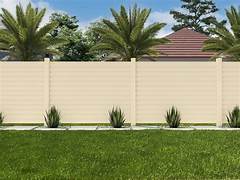
Vinyl pool fencing requires similar annual cleaning but with additional attention to UV-related changes. Austin’s summer UV exposure can cause vinyl to fade or become slightly brittle over time in very high-sun locations. Run your hand along the panels annually to check for any brittleness or cracking, particularly on south and west-facing sections that receive the most direct sun. Mildew can develop on vinyl panels in shaded sections near the pool where moisture is consistent. A mildew-appropriate cleaner handles this without damaging the vinyl surface.
Regardless of material, inspect every panel annually for damage from pool equipment, lawn maintenance, or debris impact. Check that no panels have shifted enough to create a gap at the bottom of the fence that would allow a child to pass underneath. This check is especially important after any storm season activity.
Austin-Specific Post and Soil Considerations
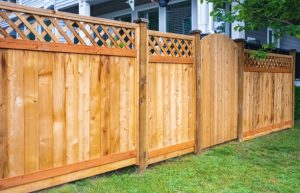
Austin’s black expansive clay soil expands when wet and contracts as it dries, and this movement works on fence posts over time even when they were correctly installed. An annual check of post stability is a standard part of pool fence maintenance in Austin. Walk the fence line and check each post for visible leaning. Push laterally on each post to check for any rocking motion that indicates the post is no longer firmly anchored. Posts that rock or lean are a structural issue that affects both safety and code compliance.
Post movement is most likely to appear after the wet season transitions to the dry season, when the clay contracts significantly. After Austin’s spring rain season ends and the summer dry period begins, that transition is the best time to do the annual post stability check. Posts that were set at adequate depth with proper concrete encapsulation are significantly more resistant to clay movement than posts set shallower. If posts are moving, the underlying issue is almost always inadequate original depth, which requires resetting.
Our guide on what to expect from a fence inspection covers the full inspection process for any fence type and explains what a professional assessor looks for during a post-storm or annual inspection. Pool fences have specific inspection points beyond standard privacy fence checks, and a professional inspection ensures nothing is missed.
After Storm Season: Post-Storm Pool Fence Checks
Austin’s spring storm season brings wind, heavy rain, and occasionally hail that can affect pool fence posts, panels, and gates. After any significant storm, a post-storm check of the pool fence is recommended before the pool is used again. Check each post for movement that was not present before the storm. Check gate function to confirm the self-closing and self-latching mechanisms are still operating correctly. Look for any panel damage from wind-borne debris or hail impact.
Clay soil that has absorbed significant rainfall and then drained rapidly can shift slightly around post bases. A storm that involves both heavy rain and high wind is the most likely scenario to produce post movement in an Austin pool fence. If any post appears to have moved or any gate function has been affected, address it before allowing children to use the pool area.
If your pool fence shows signs of post movement, gate function issues, or damage after a storm or routine inspection, request a free fence assessment and we will evaluate the condition and recommend the right repair or adjustment.