
At Legacy Fence Company, we have built fences across Austin long enough to see the same pattern repeat when homeowners hire out-of-town crews: posts set at inadequate depth for Austin clay, HOA submissions rejected because the contractor did not know the community guidelines, or a crew that left before the concrete had cured properly. These are not random failures. They are the predictable result of sending a contractor into a market they do not actually understand.
This pattern comes up repeatedly when we talk with homeowners throughout Austin TX who hired out-of-town contractors. The root cause is always the same: a crew sent into a market they do not actually understand. This guide breaks down what local fence installation expertise actually looks like in Austin, why national chains consistently fall short here, and what to verify before you hire anyone to install a fence on your property.
The difference between a local contractor and a national one comes down to three things: knowledge of the local environment, genuine accountability, and the ability to follow through on warranty work after the job is done.
What Local Fence Installers Know That National Chains Cannot Replicate
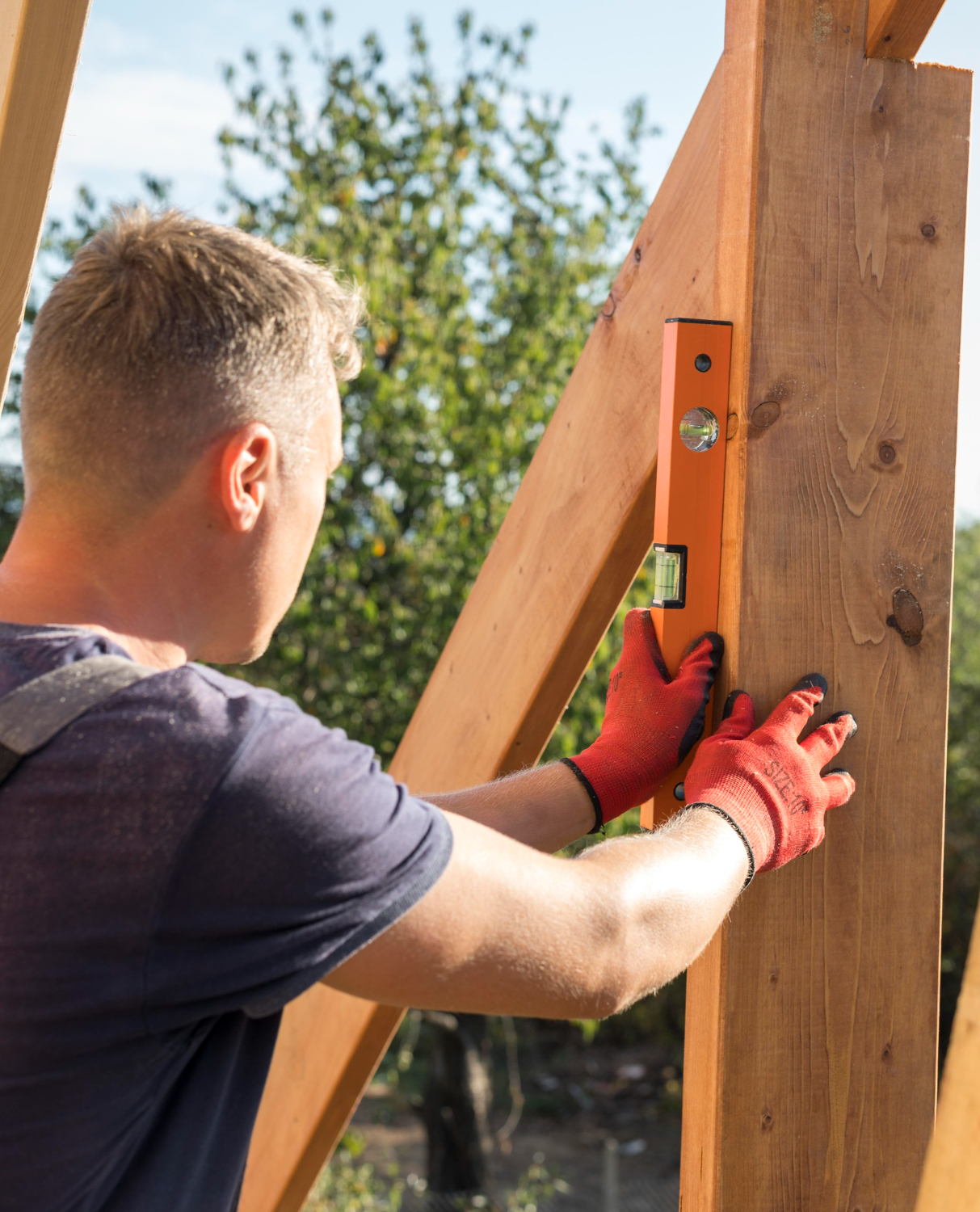
Austin’s soil is one of the most consequential variables in fence longevity, and it is not uniform across the city. The black expansive clay that dominates the eastern and central parts of the metro swells and contracts significantly with moisture changes. This movement puts serious stress on fence posts over time. A contractor who installs fences across multiple Texas markets and sends a crew to Austin may set posts at the same depth they use elsewhere. In Austin clay, that is almost never deep enough. Posts need to go deeper, concrete encapsulation needs to be thorough, and the mix matters. Our guide on how to fix a leaning fence in Austin clay soil covers exactly what clay soil does to posts set at insufficient depth and what the right installation approach looks like.
Austin’s HOA landscape is another variable that trips up out-of-town contractors. The city has well over a thousand active community associations, and their fence specifications are not standardized. Some require cedar only. Others specify vinyl in particular colors. Some HOAs in planned communities have detailed height, style, and finish requirements that must be documented in a formal application before a single post is set. Local fence installers who work the Austin market regularly know which communities require what, how to prepare submissions that pass review, and what the common rejection reasons are.
Terrain variation across Austin adds another layer. The hill country topography in West Austin neighborhoods requires stepped or racked fence construction to follow grade changes properly. Properties near the Barton Creek Greenbelt in South Austin have setback requirements from environmentally sensitive waterways. South Austin lots often have significant slope along the fence line. A local installer accounts for all of this before arriving on site. An out-of-town crew discovers these variables on installation day.
The Real Cost of Hiring a Non-Local Fence Contractor in Austin
National fence companies typically operate through subcontractor networks. When you book through a national brand in Austin, you may be dealing with a crew that works across multiple Texas markets or travels from another region. This creates real timeline problems. A local contractor can often schedule an estimate within a few days and begin installation within a couple of weeks. A national subcontractor network operating across a large geography may have significantly longer lead times, particularly during peak season in Austin, which runs from spring through early fall.
Warranty follow-through is also a practical concern. Fence installations occasionally need a follow-up visit, whether for a post that was not set quite right, a board that warped during the concrete curing period, or a gate that needs adjustment after settling. Our fence repair service operates locally, which means a crew can return to your property quickly when warranty work is needed. A national company that assigns work through a subcontractor network may give you a warranty phone number that routes to a call center with no ability to dispatch a local crew on a reasonable timeline.
Pricing accuracy is a third area where local knowledge has real value. National fence companies often price Austin jobs based on national benchmarks or regional averages that do not reflect the Austin market. Local contractors who source materials from Austin-area suppliers and pay Austin-area labor rates are better positioned to give you pricing that reflects your actual project.
What to Look for When Choosing a Local Austin Fence Installer
Start by verifying that the contractor is genuinely local. An Austin phone number is not enough. Look for a physical address in the Austin area, reviews from identifiable Austin neighborhoods, and the ability to speak knowledgeably about local specifics when you call them. A contractor who understands the difference between soil conditions in North Austin and West Austin, or who knows why a planned community HOA process is more involved than most, is demonstrating real local experience. Our guide on what to ask before hiring a fence contractor covers the specific questions designed to surface this knowledge quickly.
Insurance is non-negotiable. Any fence installer working on your property should carry general liability insurance and workers compensation coverage. Ask for a certificate of insurance before any work begins and call the insurer to verify the policy is current. Legitimate local Austin fence contractors carry this coverage as standard practice. Contractors who hesitate to provide documentation should be removed from consideration.
Reviews tied to specific Austin neighborhoods are worth more than generic ratings. A contractor with detailed reviews from homeowners in identifiable Austin communities is demonstrating a track record in the actual market you are hiring for. Look for reviews that mention specific details: HOA compliance, post depth, storm follow-up, warranty service. These specifics indicate real jobs.
When you are ready to move forward, request a free fence estimate and pay close attention to how the estimator handles the site walkthrough. A thorough local contractor will assess soil conditions, discuss the fence line in detail, and ask about your HOA requirements before quoting anything.