
At Legacy Fence Company, storm damage fence repair in Southeast Austin is one of the most consistent service categories we handle in this part of the city. Austin’s spring and fall storm seasons produce wind events that affect fences throughout the area, and Southeast Austin properties near Onion Creek face the additional risk of flooding events that can affect fence posts and panels in ways that wind damage alone does not.
The Southeast Austin storm fence repairs we handle across the Onion Creek corridor, the Slaughter Creek area, and the neighborhoods along William Cannon and Dove Springs follow predictable patterns. Knowing what to do immediately after a storm, how to assess the damage accurately, and when repair versus replacement is the right call helps homeowners in this part of the city move through the post-storm process efficiently.
Here is a practical guide to storm damage fence repair in Southeast Austin.
What to Do Immediately After a Storm in Southeast Austin

The first priority after a storm damages your fence is documentation, not cleanup. Before anything is moved, repaired, or discarded, photograph the damage from multiple angles. Get close-up photos of failed posts, broken boards, and any sections where the fence has been pushed over or displaced. Photograph any impact sources: fallen branches, debris, or tree sections that may have caused the damage. This documentation is essential if you plan to file a homeowner’s insurance claim for the damage.
After documenting the damage, check whether any fence sections or posts are presenting an immediate safety hazard, such as panels leaning toward a public sidewalk or posts in a position where they could fall. Temporary measures to secure an immediate hazard are appropriate before a repair crew arrives, but temporary repairs should not obscure the original damage condition from insurance documentation.
Contact your homeowner’s insurance company before committing to any repair costs. Fence damage from storms, falling trees, and storm-related perils is often covered under homeowner’s insurance policies in Southeast Austin. Coverage terms and deductibles vary significantly by policy, and understanding your coverage position before getting repair estimates helps you evaluate whether to file a claim or proceed with out-of-pocket repair. Our guide on storm damage fence repair in Austin covers the immediate post-storm steps in more detail.
How Onion Creek Flood Events Affect Fence Repair
Properties near Onion Creek in Southeast Austin face storm damage that combines wind effects with flooding effects, and the combination produces damage patterns that pure wind damage does not. Flood water that reaches a fence line deposits significant force against the fence panels and posts. When floodwaters rise and then recede, they leave posts in conditions that may differ from their pre-flood position. The saturated soil around post footings after a flood event is softer than normal, which can allow posts that were previously stable to rock or lean after the water recedes.
Flood debris impact is another Southeast Austin-specific damage source. When Onion Creek floods, it carries substantial debris. Debris impacts on fence panels and posts can produce damage that exceeds what wind alone causes. Fence sections that were in direct contact with flood flow or that received debris impacts need thorough assessment before repair is planned, because the damage may be more extensive than the visible surface damage suggests.
For Southeast Austin homeowners near Onion Creek, post-flood fence assessment should include checking post stability by hand at every post along the fence line, not just the obviously damaged ones. A post that was not visibly displaced by the flood may have had its concrete footing undermined by the soil saturation and may be in a significantly weaker condition than before the flood. Our fence repair service includes thorough post stability assessment as part of every storm damage repair visit.
Assessing Repair vs Replacement After Storm Damage
Storm damage assessment after a Southeast Austin weather event needs to distinguish between damage the storm caused and existing conditions the storm revealed or accelerated. A fence that was already aging, with posts that had already started to move from clay soil cycling, will often sustain more extensive damage in a storm than a fence in good structural condition. In these cases, the storm damage is the final straw rather than the sole cause.
When multiple posts along a fence line have failed, when significant storm damage coincides with widespread pre-existing deterioration, or when the repair estimate for storm damage approaches the cost of full replacement, replacement is usually the better long-term investment. Repairing storm damage on a fence that was already near the end of its service life extends the fence’s life by only a small amount before the next storm or the underlying deterioration produces another set of problems. Our guide on fence repair vs replacement in Austin covers the decision framework with a practical cost benchmark for when replacement is the better call.
Our fence inspection service is appropriate for Southeast Austin homeowners who want a thorough post-storm assessment before committing to a repair or replacement scope. An inspection identifies all issues, separates storm-caused damage from pre-existing conditions, and produces a clear recommendation. Request a free assessment and we will walk your Southeast Austin fence line and give you an accurate written scope for whatever the fence needs.
What Storm-Resilient Fence Installation Looks Like in Southeast Austin
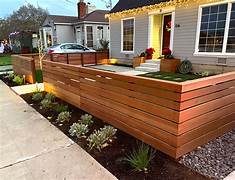
For Southeast Austin homeowners who are replacing a storm-damaged fence and want to reduce future storm vulnerability, the most important decision is post installation quality. Posts set at the correct depth for Austin clay soil with proper concrete encapsulation are significantly more resistant to wind loading than posts set shallower. This is not about using a different material or style. It is about installing the same cedar or vinyl fence on a foundation that is matched to the actual soil and wind conditions of Southeast Austin.
For properties in the Onion Creek flood zone, solid privacy fencing in flood-impacted areas may not be the most practical long-term choice. Open-style fencing that allows water to flow through during flood events reduces the force the fence experiences during a flood and reduces the flood-related damage risk. We discuss flood zone fence options during the estimate for every Southeast Austin property near the Onion Creek corridor, and the conversation includes what fence types satisfy the flood zone code requirements while still serving the homeowner’s security and privacy goals as much as possible.